
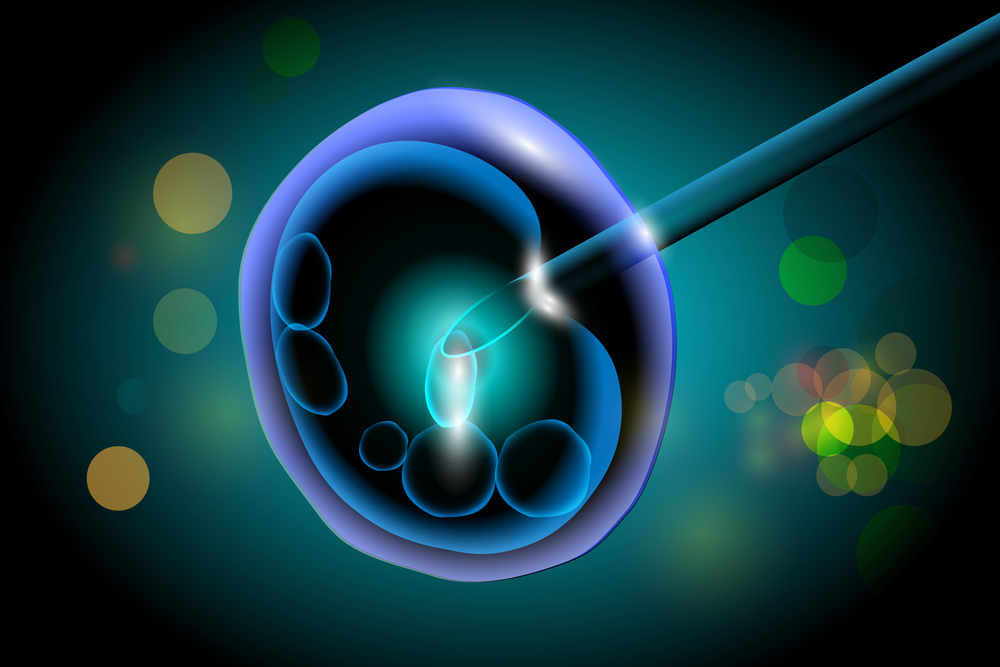
Preparing for ICSI treatment involves completing fertility tests, following prescribed medicines, improving sperm and egg health, maintaining a balanced lifestyle, and planning for treatment appointments. Couples should also discuss the procedure, costs, possible outcomes, and embryo plans with their fertility specialist before the cycle begins.
Starting ICSI treatment can bring relief, hope, and nervousness at the same time. Couples often feel encouraged because they finally have a clear treatment plan, yet they may also worry about injections, egg collection, sperm quality, fertilisation, and the final outcome.
Preparation cannot guarantee pregnancy, but it can help you enter treatment with greater confidence. It also allows your fertility team to identify health concerns, personalise medication doses, and plan each stage carefully.
Couples searching for the best ICSI treatment in Chennai should begin by learning what the process involves and what they can do before the cycle starts. Good preparation includes much more than taking fertility medicines. It requires medical readiness, practical planning, emotional support, and open communication between both partners and the clinic.
Begin with a Complete Fertility Assessment
ICSI stands for intracytoplasmic sperm injection. During the procedure, an embryologist selects a single sperm and injects it directly into a mature egg. ICSI is commonly used when sperm count, movement, or shape makes conventional fertilisation difficult. Doctors may also recommend it after previous fertilisation failure or when surgically retrieved sperm must be used.
Before treatment, both partners need a detailed fertility evaluation. The woman may undergo hormone tests, ovarian reserve testing, ultrasound scans, thyroid assessment, and screening for infections or other medical conditions. The doctor may also evaluate the uterus and ovaries to identify fibroids, cysts, polyps, or other factors that could affect treatment.
The male partner usually needs one or more semen analyses. A single result may not show the full picture because sperm parameters can vary. The fertility specialist may request further tests when the semen analysis shows a very low sperm count, poor movement, abnormal shape, or no sperm in the sample.
In some cases, a male fertility specialist or urologist may assess hormone levels, previous surgeries, infections, genetic factors, or conditions such as varicocele. Male infertility evaluation matters because ICSI treats the fertilisation barrier, but it does not automatically identify the medical reason behind poor sperm production.
Share Your Medical History Honestly
Small medical details can influence how your body responds to fertility treatment. Tell your doctor about previous pregnancies, miscarriages, surgeries, allergies, menstrual problems, chronic illnesses, and medicines taken by either partner.
Do not leave out vitamins, protein powders, herbal remedies, traditional medicines, or over-the-counter supplements. Some products can interact with fertility medicines or affect hormone levels. Your fertility specialist should review everything you take before the cycle begins.
Conditions such as diabetes, high blood pressure, thyroid disorders, anaemia, and infections may require treatment or better control before ovarian stimulation. Taking time to stabilise these concerns can improve safety during the cycle.
Couples should also discuss any known family history of genetic disease, repeated pregnancy loss, or severe male infertility. In selected situations, doctors may recommend genetic counselling or further testing before starting ICSI.
Give Your Body Time to Prepare
Many couples want to begin treatment immediately after their first consultation. However, allowing a few weeks for preparation can make the process more manageable.
Healthy daily habits support general reproductive health, even though no diet or supplement can promise a successful outcome. Aim for regular meals that include vegetables, fruits, whole grains, pulses, lean protein, healthy fats, and enough fluids.
Very restrictive diets can create nutritional gaps, while sudden weight-loss programmes may add stress before treatment. A steady and realistic approach works better than extreme changes.
Both partners should stop smoking. Smoking can affect reproductive health and may also reduce the body’s ability to respond well to fertility treatment. Alcohol should be avoided or limited according to the doctor’s guidance.
Moderate activity such as walking, swimming, stretching, or gentle strength training can support physical and emotional well-being. However, the woman may need to reduce intense exercise as the ovaries enlarge during stimulation. Your clinical team will advise when to change your routine.
Sleep also matters. Try to follow a consistent schedule and create enough time for rest, especially once scans and injections begin.
Focus on Sperm Health Before the Cycle
ICSI requires only one sperm for each mature egg, but sperm quality still matters. The embryologist must identify sperm suitable for injection, and the male partner should follow the preparation advice given by the clinic.
Sperm production takes time, so lifestyle improvements should ideally begin several weeks before treatment. Avoid smoking, recreational drugs, excessive alcohol, and unnecessary heat exposure around the testicles. Men should also discuss fever, infections, medications, gym supplements, or previous testosterone use with the doctor.
Testosterone products can reduce or stop sperm production in some men. Never start or discontinue prescribed treatment without medical advice.
The clinic will explain how many days of abstinence it recommends before semen collection. Following that instruction helps the laboratory receive a suitable sample.
Some men experience difficulty producing a sample on the planned day because of anxiety or unfamiliar surroundings. Discuss this concern early. The clinic may offer alternative arrangements or recommend freezing a backup sample when appropriate.
When sperm cannot be obtained naturally, the doctor may plan surgical sperm retrieval. ICSI can use a very small number of sperm because the laboratory injection bypasses the sperm’s need to penetrate the egg independently.
Learn How the Treatment Cycle Will Progress
ICSI forms part of an IVF treatment cycle. The woman usually takes hormone medicines to stimulate the ovaries so that several follicles can develop. The clinic monitors follicle growth through ultrasound scans and sometimes blood tests.
Once the eggs reach the required stage, the doctor schedules a trigger injection. Timing this injection correctly matters because egg retrieval usually takes place at a specific interval afterward.
During egg collection, the medical team retrieves eggs from the ovaries. The embryologist then assesses egg maturity. Only mature eggs can generally undergo ICSI.
A single sperm is injected directly into each suitable mature egg. The laboratory checks the eggs later for signs of fertilisation and monitors any developing embryos. ICSI improves the opportunity for fertilisation in selected male-factor cases, but it cannot guarantee that every injected egg will fertilise or develop into an embryo.
Knowing these stages before treatment can reduce confusion. Ask the clinic who will contact you with fertilisation updates, how often you will receive embryo reports, and when the team expects embryo transfer or freezing to take place.
Prepare for Injections and Monitoring Visits
Fertility injections often worry patients more than the actual procedure. The first few doses may feel intimidating, but most people become more comfortable after proper training.
Ask a nurse to demonstrate how to store, prepare, and administer each medicine. Confirm the correct dose and time. Keep written instructions where both partners can access them, and set reminders to avoid missed injections.
Do not change a dose because you feel bloated, tired, or worried about follicle growth. Contact the clinic before making any adjustment.
Monitoring appointments may occur every few days and become more frequent as egg retrieval approaches. Plan for transport, work leave, childcare, and travel time in advance. Since the body does not always follow an exact calendar, the date of egg retrieval may change based on scan findings.
Keeping your schedule flexible can reduce last-minute stress.
Ask About Risks and Warning Signs
Most patients complete ovarian stimulation safely, but treatment can cause bloating, pelvic heaviness, mood changes, headaches, or tenderness at injection sites.
Your fertility team should explain the symptoms that require urgent attention. Contact the clinic if you experience severe abdominal pain, rapid swelling, repeated vomiting, breathing difficulty, heavy bleeding, fainting, or reduced urination.
ICSI also carries laboratory considerations. Some eggs may remain immature, fail to fertilise, or become damaged during injection. Fertilisation does not guarantee implantation, pregnancy, or a live birth. The HFEA advises clinics to explain that ICSI may reduce the number of eggs available because immature eggs cannot undergo the technique and some eggs can be damaged during the process.
Clear information should not make couples fearful. Instead, it helps them enter treatment with realistic expectations.
Prepare Emotionally as a Couple
ICSI can place pressure on both partners. The woman may carry the physical demands of medicines and procedures, while the man may feel guilt or anxiety when treatment relates to sperm quality.
Try not to treat infertility as one partner’s problem. Attend important appointments together when possible and discuss how each person prefers to receive support.
Some couples want to talk openly with family members, while others prefer privacy. Decide in advance what you will share and who you can contact during difficult days.
Counselling can help when anxiety, grief, relationship strain, or previous treatment disappointment becomes hard to manage. Seeking emotional support does not mean you are unable to cope. It gives you another source of guidance during a demanding medical process.
Plan Your Budget Before Treatment Begins
The ICSI treatment cost Chennai clinics quote can vary depending on ovarian stimulation medicines, scans, blood tests, egg collection, anaesthesia, laboratory procedures, embryo culture, transfer, freezing, and storage.
Ask the clinic for a written estimate rather than relying on a starting price. Confirm whether the package includes the ICSI laboratory fee and whether additional charges may apply for sperm freezing, surgical sperm retrieval, embryo storage, genetic testing, or a frozen embryo transfer.
A lower price does not always mean better value. At the same time, expensive add-ons do not automatically improve the chance of success. The HFEA describes fertility add-ons as optional tests or treatments beyond core care and advises patients to discuss the evidence for any proposed add-on with their clinic.
Choose treatments based on medical need, evidence, and your specialist’s explanation rather than fear or sales pressure.
Know What to Look for in an ICSI Centre
An experienced ICSI treatment centre should provide a clear diagnosis before recommending the procedure. ICSI remains highly valuable for many male-factor infertility cases, but ASRM notes that routine use for every non-male-factor IVF cycle does not necessarily improve outcomes.
Couples searching for the best hospital for ICSI in Chennai should ask who performs the laboratory procedure, how the embryology laboratory maintains quality, and how the team communicates fertilisation and embryo updates.
The best ICSI hospital in Chennai should also offer transparent counselling about success factors. Pregnancy outcomes depend on more than sperm injection. The woman’s age, egg quality, embryo development, uterine health, and medical history all influence the final result.
When comparing clinics for ICSI treatment in Chennai, consider the experience of the fertility specialist, laboratory standards, infection control, emergency support, counselling, cost transparency, and the way the team answers your questions.
Avoid any clinic that promises guaranteed pregnancy. Ethical fertility care should explain both the potential benefits and the limitations of treatment.
Create a Simple Pre-Treatment Checklist
Before the cycle begins, make sure you have completed the recommended tests, reviewed all medicines, learned how to take injections, and arranged time for scans and egg retrieval.
Keep your reports, prescriptions, identification documents, payment information, and clinic contact numbers together. Confirm how and when the semen sample will be provided. Ask about fasting instructions before egg retrieval and whether an adult must accompany you home after sedation.
These practical steps may seem small, but they can help the treatment days run more smoothly.
Begin Your ICSI Journey with Shairaksha Fertility Centre
Preparing for ICSI means taking care of your health while also preparing for the practical and emotional demands of treatment. You do not need to achieve a “perfect” lifestyle before beginning. What matters most is following medical advice, attending monitoring appointments, and asking questions whenever something feels unclear.
At Shairaksha Fertility Centre, each ICSI plan starts with a thorough fertility assessment. Our specialists guide couples through testing, ovarian stimulation, sperm preparation, egg collection, fertilisation, embryo care, and follow-up with personalised attention.
Consult Shairaksha Fertility Centre today to discuss your fertility concerns and receive a treatment plan designed around your individual needs.
Frequently Asked Questions
1. How long should couples prepare before ICSI?
Many couples begin lifestyle and medical preparation several weeks before treatment. The exact timeline depends on test results, existing health concerns, sperm availability, and the woman’s menstrual cycle.
2. Do both partners need tests before ICSI?
Yes. The woman usually undergoes hormone tests and ultrasound assessment, while the man completes semen analysis and may need additional male fertility evaluation. Both partners may also require infection screening and medical history review.
3. Can diet improve ICSI success?
A balanced diet supports overall health, but no specific food can guarantee fertilisation or pregnancy. Follow a sustainable eating plan and take only supplements recommended by your fertility specialist.
4. Is complete bed rest required after embryo transfer?
Most patients do not need prolonged bed rest after embryo transfer. Follow the clinic’s advice and continue gentle normal activities unless your doctor gives different instructions for a medical reason.
5. What should couples ask before choosing an ICSI clinic?
Ask about the doctor’s experience, embryology laboratory standards, treatment steps, realistic success factors, total costs, embryo freezing, follow-up support, and whether any proposed add-ons have evidence for your situation.