
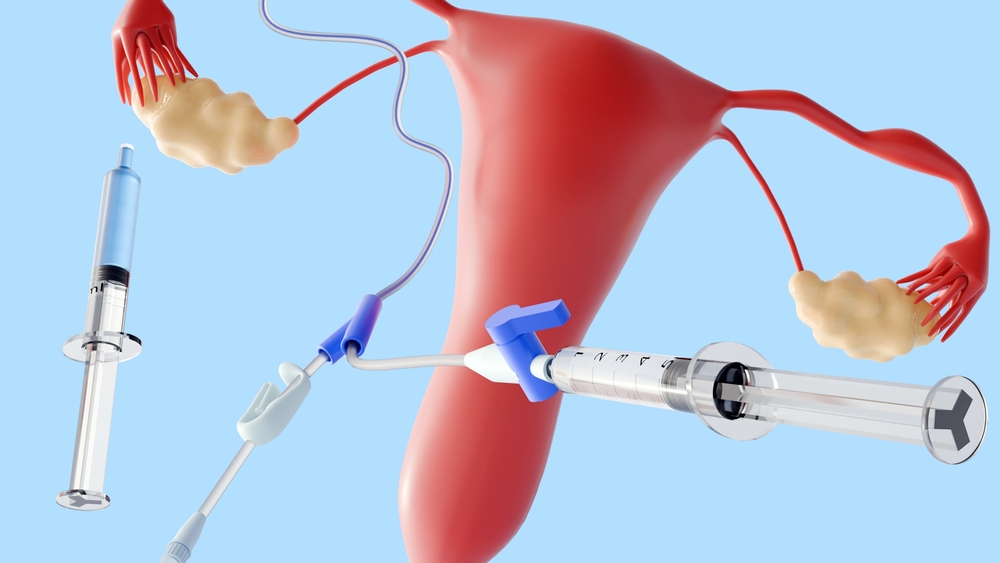
A complete IUI treatment cycle usually takes about four to six weeks, including initial evaluation, ovulation monitoring, insemination, and the pregnancy test. The insemination procedure itself takes only a few minutes. However, the exact timeline varies based on menstrual cycles, fertility medicines, test results, and individual treatment needs.
Couples planning fertility treatment often worry about how much time it will take. They may need to arrange work schedules, travel, medical appointments, and emotional support while managing the uncertainty that comes with trying to conceive.
The reassuring news is that IUI is one of the shorter and less complicated fertility treatments. Unlike IVF, it does not require egg retrieval, embryo development, or embryo transfer. A typical cycle follows the woman’s menstrual cycle and usually includes a few scans, sperm preparation, one brief insemination procedure, and a two-week wait before pregnancy testing.
For most couples, IUI fertility treatment in Chennai takes around one menstrual cycle from the first appointment to the pregnancy result. Some patients may need additional time for preliminary tests or treatment of an existing medical condition before the cycle begins.
The First Consultation Sets the Timeline
The IUI journey starts with a fertility consultation rather than the insemination itself. During this visit, the doctor reviews how long the couple has been trying to conceive, previous pregnancies, menstrual patterns, medical history, lifestyle habits, and any past fertility treatments.
The fertility specialist may recommend blood tests to check hormone levels and ovarian reserve. An ultrasound scan can assess the uterus, ovaries, and developing follicles. The male partner usually undergoes a semen analysis to evaluate sperm count, movement, and shape.
Doctors may also check whether at least one fallopian tube remains open. IUI relies on fertilisation taking place naturally inside the fallopian tube, so blocked tubes can significantly reduce the chance of success.
This evaluation may take a few days or several weeks, depending on when the tests must occur during the menstrual cycle. Couples who already have recent reports may move forward sooner. Those who need further assessment may require an additional cycle before treatment starts.
Fertility evaluation should not feel like an unnecessary delay. It helps the doctor determine whether IUI offers a reasonable chance of pregnancy or whether another treatment would be more suitable.
When Does the IUI Cycle Officially Begin?
An IUI cycle commonly begins on the first day of menstrual bleeding. The clinic may ask the patient to report the start of the period and schedule a baseline scan within the first few days.
The baseline ultrasound checks the ovaries and uterine lining. It also confirms that no large ovarian cysts or other concerns could interfere with treatment.
The doctor then decides whether to proceed with a natural cycle or a stimulated cycle.
In a natural IUI cycle, the woman does not take ovulation medicines. The medical team tracks the growth of the naturally developing follicle and plans insemination close to ovulation.
In a stimulated cycle, the doctor prescribes oral medicines or injections to support follicle growth. Medication commonly begins early in the menstrual cycle and continues for several days. The exact duration depends on how the ovaries respond.
Neither approach is automatically better for every patient. The doctor selects the cycle type based on age, ovulation pattern, diagnosis, ovarian reserve, and previous treatment response.
Ovulation Monitoring Usually Takes One to Two Weeks
Ovulation monitoring forms the longest active part of an IUI cycle. Patients usually visit the clinic for ultrasound scans that measure the developing follicle and assess the uterine lining.
The first monitoring scan may occur around the middle of the first half of the cycle. Some women need only one or two scans, while others require additional appointments if follicle growth happens more slowly than expected.
The doctor may also request blood tests in selected cases. These tests help track hormone changes and confirm that ovulation is approaching.
When the leading follicle reaches an appropriate stage, the doctor may allow natural ovulation to occur or prescribe a trigger injection. This injection helps control the timing of egg release. Many clinics schedule insemination approximately 24 to 36 hours after the trigger, although the final timing depends on the treatment protocol and clinical findings.
This stage often requires flexibility. The body does not always follow an exact calendar, so scan dates and insemination timing may shift slightly.
What Happens on Insemination Day?
The male partner usually provides a semen sample on the day of the procedure. The laboratory team processes the sample through sperm washing, which removes seminal fluid, debris, poorly moving sperm, and other unwanted material.
The preparation process concentrates healthier, actively moving sperm into a smaller volume. This step may take around one to two hours, depending on the laboratory process and sample quality.
Once the sample is ready, the doctor performs the insemination. The woman lies on an examination table, and the doctor places a speculum inside the vagina, similar to a routine gynaecological examination. A thin catheter then passes through the cervix, allowing the prepared sperm to enter the uterus.
The actual insemination usually takes only a few minutes. Most women experience little discomfort, although mild cramping can occur. Anaesthesia and hospital admission are generally unnecessary. IUI places prepared sperm directly into the uterus close to ovulation, allowing fertilisation to occur naturally inside the body.
Patients may rest briefly at the clinic before going home. Most can return to work and continue regular activities the same day.
Does Recovery Add More Time?
IUI has almost no formal recovery period. The procedure does not involve surgical cuts, stitches, or sedation. Mild pelvic discomfort or light spotting may occur, but these symptoms usually settle quickly.
Doctors generally do not recommend prolonged bed rest. Normal movement does not cause sperm to leave the uterus or reduce the chance of pregnancy. The prepared sperm enters the uterine cavity through the catheter, and daily activities do not reverse the procedure.
Patients can usually walk, work, climb stairs, and complete routine household tasks. However, they should follow any individual advice given by their fertility specialist, especially if they used ovarian stimulation medicines or developed discomfort.
Some patients receive progesterone support after insemination. This treatment may continue until the pregnancy test and, in certain cases, for longer if pregnancy occurs.
The Two-Week Wait Often Feels Like the Longest Stage
After insemination, couples enter the period commonly called the two-week wait. Although treatment appointments largely stop during this time, the emotional waiting can feel longer than the medical process itself.
Fertilisation, if it occurs, usually happens shortly after ovulation. The fertilised egg then travels toward the uterus and may implant in the uterine lining several days later. Pregnancy hormones need additional time to rise to a detectable level.
Doctors generally recommend waiting around 14 days before taking a pregnancy test. Testing too early can produce a false negative because hormone levels may remain low. A trigger injection can also cause a misleading positive result if the medication has not fully cleared from the body.
Patients should contact the clinic if they experience severe abdominal pain, heavy bleeding, breathing difficulty, marked swelling, or other unusual symptoms.
How Long Is the Full Journey From Consultation to Result?
The timeline differs for every couple, but a straightforward IUI journey may follow this pattern:
- Initial consultation and fertility tests: one to four weeks
- Start of the menstrual cycle and baseline scan: first few days of the period
- Medication and follicle monitoring: about one to two weeks
- Trigger injection and insemination: usually within one to two days after the follicle reaches the required stage
- Pregnancy test: approximately two weeks after insemination
From the start of a stimulated cycle to the pregnancy result, the process commonly takes four to six weeks.
Couples may need more time if test results identify thyroid problems, infections, uncontrolled blood sugar, ovarian cysts, uterine concerns, or severe sperm abnormalities. Treating these issues first may improve safety and help the fertility team choose a more appropriate plan.
Can an IUI Cycle Be Delayed or Cancelled?
Not every treatment cycle reaches insemination exactly as planned. Sometimes follicles grow too slowly, and the doctor extends the monitoring period. In other cases, too many follicles may develop after medication.
Multiple mature follicles can increase the chance of twins or higher-order multiple pregnancy. The doctor may advise cancelling the cycle when continuing could create an unacceptable risk.
Ovulation may also occur earlier than expected, or the uterine lining may not develop adequately. Illness, travel, medication changes, and difficulties producing a semen sample can also affect scheduling.
A cancelled cycle can feel disappointing, but the decision usually protects the patient’s health or prevents treatment with a low chance of success. The doctor can adjust the medicine or monitoring plan for the next cycle.
How Many Cycles May Be Needed?
Some couples achieve pregnancy during their first IUI attempt, while others need more than one cycle. Success depends on age, egg quality, sperm health, fallopian tube function, ovulation timing, and the cause of infertility.
The IUI success rate in Chennai should never be judged through one advertised percentage. Clinics may calculate success differently, and outcomes can vary significantly across age groups and diagnoses. Reliable counselling should explain the patient’s individual chance rather than promise a guaranteed result.
Doctors often review the plan after several unsuccessful attempts. ASRM guidance notes that IUI may serve as a first-line treatment in selected cases of unexplained or mild male-factor infertility because it is less invasive and less costly than IVF.
After repeated unsuccessful cycles, the specialist may recommend further tests, changes in medication, IVF, or ICSI. Continuing IUI indefinitely may waste valuable time, particularly for women with declining ovarian reserve or advanced reproductive age.
Does Cost Change With the Length of Treatment?
The IUI treatment cost in Chennai varies according to the type of cycle, fertility medicines, number of ultrasound scans, laboratory charges, semen preparation, trigger injection, and supportive medication.
A natural cycle may cost less because it uses fewer medicines and may require fewer monitoring appointments. A stimulated cycle may involve additional scans, tablets, or injections.
Couples should request a written estimate before beginning treatment. It should clearly state what the package includes and whether the clinic charges separately for consultations, tests, medicines, monitoring, sperm washing, insemination, and pregnancy testing.
Choosing a clinic only because it offers the lowest price may not lead to better value. Correct timing, careful monitoring, laboratory quality, and honest medical advice matter throughout the cycle.
Finding a Clinic That Respects Your Time
Couples comparing IUI treatment centres in Chennai should ask how the clinic schedules scans, handles emergency timing changes, and communicates medication instructions. A well-organised centre reduces unnecessary waiting and keeps patients informed when ovulation does not follow the expected date.
People searching for the best IUI center in Chennai should also consider whether the doctor explains realistic timelines. Clear guidance allows patients to plan leave, arrange travel, and prepare emotionally for the two-week wait.
The best hospital for IUI treatment in Chennai should offer complete fertility evaluation, skilled sperm preparation, reliable ultrasound monitoring, transparent pricing, and accessible follow-up care.
Patients seeking the best IUI treatment in Chennai should remember that speed alone does not define quality. A rushed cycle without proper testing or monitoring may reduce the chance of success. The right fertility team balances timely care with careful clinical decisions.
Begin Your IUI Journey with Shairaksha Fertility Centre
An IUI cycle may feel uncertain at first, but knowing the timeline can make every stage easier to manage. Most couples complete the active treatment within one menstrual cycle, while the full process from evaluation to pregnancy testing may take four to six weeks.
At Shairaksha Fertility Centre, every treatment plan begins with a detailed fertility assessment. Our team guides couples through scans, ovulation monitoring, sperm preparation, insemination, and follow-up with clear communication and compassionate support.
Consult Shairaksha Fertility Centre today to learn whether IUI is right for you and receive a personalized treatment timeline.
Frequently Asked Questions
1. How many clinic visits are required during an IUI cycle?
The number of visits varies, but many patients need an initial consultation, a baseline scan, one or more follicle-monitoring scans, the insemination appointment, and a follow-up pregnancy test. Stimulated cycles may require more monitoring.
2. How long does the IUI procedure itself take?
The insemination usually takes only a few minutes. However, patients may spend longer at the clinic while the laboratory prepares the semen sample and the team completes pre-procedure checks.
3. Can I go to work after IUI?
Most patients can return to work and resume normal activities on the same day. Mild cramping or light spotting may occur, but IUI usually does not require a recovery period.
4. When can I take a pregnancy test after IUI?
Doctors generally advise waiting about 14 days after insemination. Testing earlier may lead to an inaccurate result, particularly if the cycle included a trigger injection.
5. What happens if the first IUI cycle does not work?
The fertility specialist reviews follicle growth, sperm quality, medication response, and insemination timing. The doctor may repeat the cycle with adjustments or recommend another fertility treatment based on age, diagnosis, and previous results.