
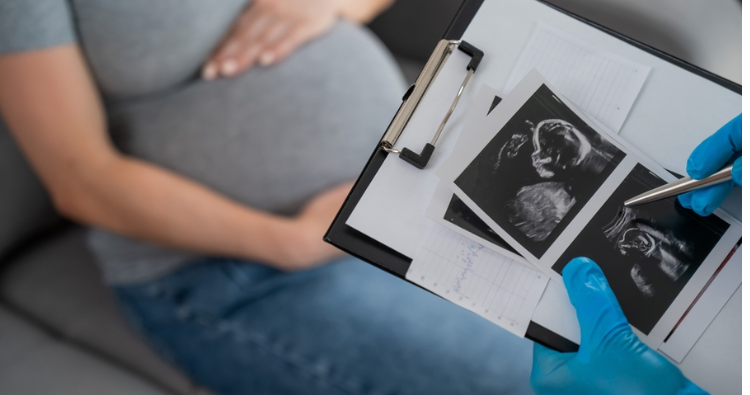
Female infertility can result from various factors, including ovulation disorders, hormonal imbalances, age-related fertility decline, reproductive health conditions, and lifestyle influences. While many couples conceive naturally within a year of trying, it may be time to seek professional help if pregnancy has not occurred after 12 months of regular unprotected intercourse, or after six months if the woman is over 35. Early evaluation can identify potential fertility concerns and improve the chances of successful treatment.
Fertility Challenges Are More Common Than Many People Think
For many couples, starting a family feels like a natural next step in life. When pregnancy does not happen as expected, it can bring feelings of frustration, confusion, and worry. While occasional delays are normal, prolonged difficulty conceiving may indicate an underlying fertility issue that deserves attention.
Many women wait longer than necessary before seeking medical advice, often hoping that pregnancy will happen naturally with more time. While patience is important, early intervention can make a significant difference in identifying problems and exploring effective solutions.
Knowing when to seek help is one of the most important steps in protecting reproductive health.
What Is Female Infertility?
Female infertility refers to difficulties in becoming pregnant or carrying a pregnancy to term due to factors affecting the female reproductive system.
A healthy pregnancy depends on several processes working together, including:
- Regular ovulation
- Healthy fallopian tubes
- Proper hormone balance
- A healthy uterus
- Good egg quality
If any of these factors are disrupted, conception may become more challenging.
How Long Should You Try Before Seeking Help?
Many fertility specialists follow general guidelines when advising couples.
If You Are Under 35
If you have been trying to conceive for one year without success despite regular unprotected intercourse, it is recommended to seek professional evaluation.
If You Are 35 or Older
Women over 35 should consider consulting a fertility specialist after six months of unsuccessful attempts to conceive.
This recommendation exists because fertility naturally declines with age, making early assessment especially important.
If You Are Over 40
Women over 40 should seek fertility advice as soon as they begin planning pregnancy. Early evaluation can help identify the most suitable treatment options without unnecessary delays.
Signs That May Indicate Female Fertility Problems
Sometimes fertility challenges develop without obvious symptoms. However, certain signs may suggest an underlying reproductive health issue.
Irregular Menstrual Cycles
Irregular periods can indicate ovulation problems, hormonal imbalances, or conditions such as polycystic ovary syndrome (PCOS).
Absent Periods
Missing periods may signal a disruption in hormone production or ovulation.
Painful Menstruation
Severe menstrual pain can sometimes be associated with endometriosis, a condition that may affect fertility.
Recurrent Pregnancy Loss
Experiencing multiple miscarriages may warrant a comprehensive fertility evaluation.
Hormonal Symptoms
Symptoms such as excessive facial hair growth, severe acne, or unexplained weight changes may indicate hormonal disorders affecting fertility. If you notice any of these signs, consulting a specialist sooner rather than later is often beneficial.
Common Causes of Female Infertility
Several conditions can contribute to fertility challenges.
Ovulation Disorders
Ovulation problems are among the most common causes of female infertility. Conditions such as PCOS can interfere with regular egg release, making conception more difficult.
Endometriosis
Endometriosis occurs when tissue similar to the uterine lining grows outside the uterus. This condition may affect the ovaries, fallopian tubes, and surrounding reproductive structures.
Blocked Fallopian Tubes
The fallopian tubes play a critical role in fertilization. Blockages can prevent the sperm and egg from meeting.
Pelvic infections, previous surgeries, or endometriosis may contribute to tubal damage.
Uterine Conditions
Fibroids, polyps, or structural abnormalities of the uterus can sometimes affect implantation and pregnancy.
Age Related Fertility Decline
Egg quantity and quality gradually decline with age, particularly after the mid-thirties. This natural process can make conception more challenging.
Lifestyle Factors That Can Affect Fertility
While some fertility issues require medical treatment, lifestyle habits can also influence reproductive health.
Smoking
Smoking can reduce fertility and negatively affect egg quality.
Excessive Alcohol Consumption
Heavy alcohol intake may disrupt hormone balance and reproductive function.
Obesity
Being overweight can affect ovulation and fertility outcomes.
Underweight Conditions
Insufficient body weight may also interfere with normal reproductive hormone production.
Chronic Stress
Although stress alone may not cause infertility, prolonged emotional strain can impact overall wellbeing and fertility management.
Maintaining a healthy lifestyle supports both natural conception and fertility treatment outcomes.
Why Early Evaluation Matters
One of the biggest mistakes many couples make is waiting too long before seeking help.
Early fertility assessment can:
- Identify hidden reproductive issues
- Improve treatment success rates
- Expand available treatment options
- Reduce emotional stress
- Prevent unnecessary delays
In many cases, fertility problems are easier to manage when diagnosed early.
What Happens During a Fertility Assessment?
A fertility evaluation is designed to identify potential causes of conception difficulties.
Common assessments may include:
Medical History Review
Your doctor will discuss menstrual patterns, medical conditions, lifestyle factors, and reproductive history.
Hormone Testing
Blood tests help evaluate reproductive hormone levels and ovulation function.
Ultrasound Examination
Ultrasound scans allow specialists to assess the uterus, ovaries, and overall reproductive health.
Ovulation Assessment
Additional testing may be used to confirm whether ovulation is occurring regularly.
Partner Evaluation
Since fertility involves both partners, male fertility testing is often recommended as part of a comprehensive assessment. Many couples visit a trusted fertility clinic to receive a complete fertility evaluation and personalized guidance.
Treatment Options for Female Infertility
Treatment depends on the underlying cause and individual circumstances.
Options may include:
Lifestyle Modifications
Improving diet, exercise, weight management, and stress reduction can support fertility.
Ovulation Induction
Medications may help stimulate ovulation in women with ovulatory disorders.
Surgical Procedures
Some reproductive conditions may require minimally invasive surgical treatment.
Assisted Reproductive Techniques
Procedures such as IUI and IVF may be recommended when other approaches are unlikely to succeed. A reputable fertility treatment clinic can guide couples through these options and recommend the most suitable treatment pathway.
Choosing the Right Fertility Support
Selecting the right fertility team can make a meaningful difference in the overall experience. Many couples look for a fertility clinic in chennai that combines advanced medical technology with compassionate patient care.
Comprehensive fertility clinic services often include fertility testing, reproductive treatments, counseling, and ongoing support throughout the journey. An affordable fertility clinic that offers transparent communication and personalized care can help couples feel more confident as they move forward. The goal is not simply to provide treatment but to support patients every step of the way.
Questions to Ask Yourself
If you are unsure whether it is time to seek fertility support, consider the following:
- Have you been trying to conceive for longer than recommended?
- Are your menstrual cycles irregular?
- Have you experienced recurrent miscarriages?
- Do you have a known reproductive health condition?
- Are you over the age of 35?
If the answer to any of these questions is yes, consulting a fertility specialist may be beneficial.
Conclusion
Difficulty conceiving can be emotionally challenging, but seeking help at the right time can make a significant difference. Female infertility can result from various medical, hormonal, and lifestyle factors, many of which can be successfully diagnosed and treated with appropriate care.
If you have concerns about your fertility or have been trying to conceive without success, contact Shai Raksha Fertility Centre today. Our experienced fertility specialists provide personalized evaluations, advanced fertility treatments, and compassionate support to help you move closer to your dream of parenthood.
FAQs
1. When should a woman see a fertility specialist?
Women under 35 should seek help after one year of trying to conceive without success. Women over 35 should consider evaluation after six months.
2. What is the most common cause of female infertility?
Ovulation disorders, particularly PCOS, are among the most common causes of female infertility.
3. Can irregular periods affect fertility?
Yes. Irregular menstrual cycles may indicate ovulation problems, which can make conception more difficult.
4. Does age affect female fertility?
Yes. Fertility gradually declines with age, especially after the age of 35, due to changes in egg quantity and quality.
5. Can female infertility be treated successfully?
Many causes of female infertility can be treated through lifestyle changes, medications, surgery, or assisted reproductive technologies such as IVF.