
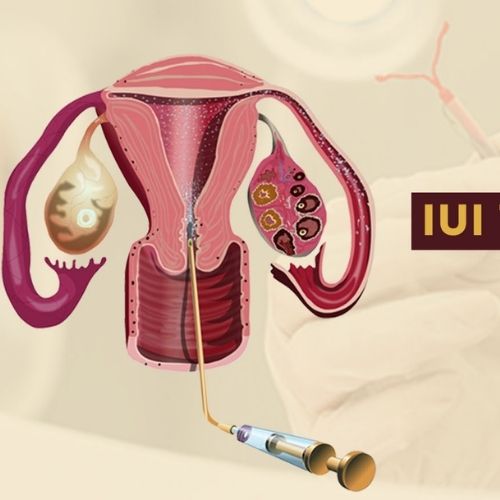
IUI may be suitable for couples with unexplained infertility, mild sperm concerns, ovulation problems, or those using donor sperm. During IUI, prepared sperm is placed directly into the uterus around ovulation. Your age, fertility health, fallopian tubes, sperm quality, and medical history help your fertility specialist decide whether IUI is right for you.
When pregnancy takes longer than expected, deciding what to do next can feel confusing. You may hear about different fertility treatments from friends, family members, online forums, and social media. IUI often comes up as one of the first options.
Intrauterine insemination, commonly known as IUI, is a fertility treatment that helps sperm get closer to the egg. A fertility specialist places carefully prepared sperm directly inside the uterus around the time of ovulation.
The procedure is relatively simple, but that does not mean IUI suits everyone. The most important question is whether IUI matches the reason you are finding it difficult to conceive. A proper fertility evaluation can help answer that question and prevent you from spending valuable time on a treatment that may not suit your needs.
If you are considering IUI treatment in Chennai, understanding how the procedure works, who may benefit from it, and what affects the outcome can help you approach your fertility journey with realistic expectations.
How Does IUI Work?
An IUI cycle usually starts with a fertility consultation. Your doctor will ask about your menstrual cycle, medical history, previous pregnancies, how long you have been trying to conceive, and any fertility treatments you have already tried.
Both partners may need fertility tests before treatment begins. For women, the evaluation may include ultrasound scans, hormone tests, and tests to check whether the fallopian tubes are open. For men, semen analysis helps the doctor understand sperm count, movement, and other important factors.
Some women can undergo IUI during their natural menstrual cycle. Others may need fertility medicines to support ovulation or help follicles develop. Your fertility team will monitor follicle growth and ovulation. Timing matters because the sperm needs to reach the reproductive tract when an egg is available.
On the day of IUI, the laboratory prepares the semen sample. This process helps select active sperm for insemination. The fertility specialist then uses a thin catheter to place the prepared sperm directly into the uterus. The procedure usually takes only a few minutes. Most women can return to their normal routine soon afterwards.
Who May Consider IUI?
There is no single fertility treatment that works for every couple. IUI may be considered when the fertility evaluation shows that sperm and egg still have a reasonable chance of meeting naturally after insemination. Doctors may recommend IUI in cases involving unexplained infertility. This means standard fertility tests have not identified a clear reason for the difficulty in conceiving.
Some couples with mild sperm count or sperm movement concerns may also consider IUI. Women who experience certain ovulation problems may benefit when doctors combine ovulation support with carefully timed insemination.
IUI can also form part of fertility treatment when donor sperm is used. However, simply fitting into one of these groups does not automatically mean you should undergo IUI. Your fertility specialist needs to consider your complete reproductive health before recommending treatment.
When Might IUI Not Be Suitable?
Knowing when IUI may not help is just as important as understanding when it can help. For pregnancy to occur through IUI, sperm must still travel through the fallopian tube and reach the egg. If both fallopian tubes are blocked, IUI cannot overcome that problem.
Severe male fertility problems may also make IUI less suitable because enough healthy sperm need to reach and fertilise the egg. Some women with advanced endometriosis, significantly reduced ovarian reserve, or other complex fertility conditions may need a different approach.
Age can also influence treatment decisions because female fertility changes over time. In these situations, a fertility specialist may discuss IVF, ICSI, or another treatment instead of continuing with IUI. Choosing treatment based on your diagnosis rather than popularity can help you use your time more effectively.
How Much Does IUI Cost?
The IUI treatment cost in Chennai can differ depending on the treatment plan and the services required during the cycle. One patient may undergo IUI with minimal medication, while another may require medicines, injections, repeated scans, or additional tests.
The overall expense may include consultations, ultrasound monitoring, fertility medicines, blood tests, semen preparation, the insemination procedure, and follow up appointments. Before starting treatment, ask the clinic for a clear explanation of the charges.
Find out whether the quoted amount covers the complete cycle or only the insemination procedure. You can also ask whether medicines, scans, semen preparation, and follow up consultations cost extra.
Clear pricing helps you plan your treatment without unexpected financial stress. Cost matters, but choosing a fertility centre based only on the lowest price may not always serve your needs. Proper diagnosis, laboratory standards, monitoring, communication, and medical experience also deserve attention.
How Many IUI Cycles May Be Needed?
It is natural to hope that the first IUI cycle will result in pregnancy. For some people, it does. Others may need more than one attempt. There is no fixed number of IUI cycles that every patient should undergo.
After each cycle, your fertility specialist may review how your ovaries responded, follicle development, semen parameters, treatment timing, and the outcome. Your age and fertility diagnosis also influence whether another attempt makes sense. If several cycles do not result in pregnancy, your doctor may recommend reviewing the treatment strategy.
This does not necessarily mean something went wrong. It may simply mean another fertility treatment could offer a more appropriate option based on your circumstances. Good fertility care involves knowing when to continue and when to reconsider the plan.
How Can You Choose an IUI Centre in Chennai?
Searching online can give you dozens of choices. Deciding between them requires more than looking at advertisements or star ratings. When comparing IUI treatment centres in Chennai, start by looking at how each clinic approaches diagnosis.
A fertility centre should not recommend treatment before understanding why conception has been difficult. Ask whether the clinic performs a complete fertility evaluation for both partners.
You should also understand how the clinic monitors ovulation, prepares semen samples, schedules the procedure, and reviews each treatment cycle.
Communication matters too. You should feel comfortable asking questions about your test results, treatment options, possible risks, costs, and expected outcomes. When searching for the best hospital for IUI treatment in Chennai, consider whether the fertility team gives you enough time to understand your options rather than pushing you towards immediate treatment.
Likewise, finding the best IUI center in Chennai should mean finding a place that suits your medical needs and gives you clear information throughout the process. A centre offering the best IUI treatment in Chennai should focus on personalised evaluation rather than making the same recommendation to every patient.
Can Lifestyle Changes Help During IUI?
Lifestyle changes cannot guarantee that IUI will result in pregnancy. However, taking care of your overall health remains important when you are trying to conceive. Aim for a balanced diet that includes a variety of vegetables, fruits, whole grains, protein sources, and other nutrient rich foods.
Regular physical activity can support general health, but you do not need an extreme exercise routine. Smoking can negatively affect reproductive health, so avoiding tobacco is important for both partners.
If you take supplements, herbal products, or over the counter medicines, tell your fertility specialist. Something labelled as natural is not automatically suitable during fertility treatment. Sleep and emotional wellbeing matter too.
Fertility treatment can bring hope, worry, frustration, and uncertainty at the same time. Give yourself room to process those emotions and speak with your partner, doctor, or counsellor when you need support.
Is IUI Painful?
Most women find the procedure manageable. You may feel mild discomfort or brief cramping when the doctor passes the catheter through the cervix. The procedure itself usually takes only a short time. If you experience severe pain or unusual symptoms afterwards, contact your fertility team for medical advice.
Do You Need Bed Rest After IUI?
Most people do not need prolonged bed rest after the procedure. You may rest briefly at the clinic and then continue with your regular day unless your doctor advises otherwise. Your fertility specialist may provide instructions based on your medicines, ovarian response, and individual health.
Follow those instructions rather than relying on advice from friends or online discussions.
Can IUI Result in Twins?
IUI itself does not directly cause twins. However, some fertility medicines can encourage more than one follicle to develop. If multiple eggs become available during the same cycle, the chance of a multiple pregnancy may increase. This is one reason fertility specialists monitor follicle development during stimulated IUI cycles. Your doctor may adjust medication or treatment plans if too many follicles develop.
Is IUI Better Than IVF?
IUI and IVF work differently, so one is not automatically better than the other. IUI involves placing prepared sperm inside the uterus and allowing fertilisation to happen inside the body. IVF involves retrieving eggs, fertilising them in a laboratory, and later transferring an embryo into the uterus.
IUI usually involves fewer procedures and may cost less. IVF gives fertility specialists greater control over fertilisation and may suit more complex fertility conditions. Your age, fallopian tube health, sperm quality, ovarian reserve, fertility diagnosis, previous treatment, and how long you have been trying to conceive can all influence the decision. The best treatment is the one that makes medical sense for your situation.
When Should You See a Fertility Specialist?
If you are under 35 and have been trying to conceive for around one year without success, consider speaking with a fertility specialist. Women aged 35 and above may benefit from seeking an evaluation after around six months of trying. You may need an earlier consultation if you already know about a condition that could affect fertility.
Irregular or absent periods, previous pelvic infections, known fallopian tube problems, endometriosis, previous reproductive surgery, or concerns about sperm health are some reasons to seek advice sooner. You do not need to wait until fertility becomes overwhelming before asking questions.
An evaluation does not automatically mean you need treatment. Sometimes it simply gives you a clearer picture of your reproductive health.
Conclusion
IUI can be an important fertility option for some couples, but the decision should begin with understanding why pregnancy has not happened yet. Your age, ovarian health, sperm quality, fallopian tubes, ovulation, medical history, and fertility diagnosis all help determine whether IUI makes sense for you.
Try not to compare your journey with another couple’s experience. Two people can undergo the same procedure and have very different circumstances. The right fertility centre should help you understand those differences. It should also explain what IUI can realistically offer and when another treatment may deserve consideration.
At Shairaksha Fertility Centre, fertility care begins with understanding your individual needs and helping you make informed treatment decisions with clear guidance at every stage.
If you are wondering whether IUI could be the right next step for your fertility journey, book a consultation with Shairaksha Fertility Centre today and discuss your options with our fertility specialists.
FAQs
Is IUI painful?
IUI usually causes little or no pain. Some women may experience mild cramping or discomfort during the procedure.
How long does an IUI procedure take?
The actual procedure usually takes only a few minutes. Most patients can return to their normal routine shortly afterwards.
How many IUI cycles may be needed?
The number varies depending on age, fertility health, and treatment response. Your specialist will review each cycle before recommending the next step.
Can IUI result in twins?
The chance may increase when fertility medicines cause more than one egg to develop. Careful monitoring helps manage this possibility.