
Successful ICSI treatment depends on several factors, including age, egg and sperm quality, embryo development, laboratory standards, and the health of the uterus. Careful fertility evaluation and an individual treatment plan also matter. Since every couple has different fertility needs, success cannot be predicted by one factor alone.
Starting fertility treatment often comes with a mix of hope and uncertainty. When a doctor recommends ICSI, couples may wonder why they need it, how it differs from IVF, and what can influence their chances of pregnancy.
Intracytoplasmic sperm injection, or ICSI, is a laboratory technique used as part of IVF treatment. Instead of placing eggs and sperm together and allowing fertilisation to occur without further assistance, an embryologist injects a single sperm directly into a mature egg.
Doctors commonly consider ICSI when there are significant sperm related fertility concerns or when previous treatment has shown problems with fertilisation. It may also have a role in certain other fertility situations.
Couples exploring ICSI treatment in Chennai should understand that the injection technique alone does not determine the outcome. Successful treatment involves several stages, from the initial fertility assessment to egg retrieval, fertilisation, embryo development and transfer.
Understanding these factors can help couples approach treatment with clearer and more realistic expectations.
A Detailed Fertility Assessment
Successful fertility treatment begins before the actual procedure. A fertility specialist first needs to understand why conception has been difficult. This usually involves evaluating both partners rather than focusing on only one person. For women, the evaluation may include menstrual history, ovarian reserve assessment, ultrasound scans and relevant hormone tests. Age, previous pregnancies, medical conditions and earlier fertility treatments may also influence the plan.
For men, semen analysis can provide information about sperm count, movement and shape. Depending on the findings, the specialist may recommend additional evaluation. This stage helps the medical team understand whether ICSI has a clear role in treatment. A thorough assessment also allows doctors to identify other factors that may need attention before beginning an IVF cycle.
Age and Reproductive Health
Age remains an important factor in fertility treatment. Female fertility naturally changes with age, particularly because the number and quality of available eggs decline over time. These changes can influence fertilisation, embryo development and the likelihood of pregnancy.
However, age does not tell the entire story. Two women of the same age may have different ovarian reserves and responses to fertility medication. Doctors therefore consider age alongside ultrasound findings, hormone levels, medical history and previous treatment response.
Male reproductive health matters as well. Sperm quality and other male fertility factors can influence treatment planning. A personalised assessment gives far more useful information than relying on age alone.
Ovarian Stimulation and Monitoring
An ICSI cycle usually involves ovarian stimulation as part of IVF. Fertility medicines encourage the ovaries to develop multiple follicles. The aim is to obtain a suitable number of mature eggs for retrieval while keeping the treatment medically appropriate for the patient. The response to medication differs from person to person.
Doctors monitor follicle development using ultrasound scans and, when required, hormone tests. These results help the fertility team decide whether medication doses need adjustment and when egg retrieval should take place. Careful monitoring matters because both an inadequate and an excessive ovarian response can affect treatment.
The goal is not simply to produce as many eggs as possible. The medical team aims for a safe response that gives the laboratory a reasonable opportunity to work with mature eggs.
Egg Quality and Maturity
ICSI requires a mature egg because the embryologist needs to inject sperm directly into it. Not every egg collected during retrieval will necessarily be mature or suitable for the procedure. Egg quality also influences what happens after fertilisation. Even when fertilisation occurs, the embryo still needs to develop through several stages before doctors can consider it for transfer.
Age can affect egg quality, but individual variation also exists. This is one reason fertility specialists avoid promising outcomes based only on the number of eggs collected. The number matters, but maturity, quality and subsequent embryo development matter too.
Sperm Quality and Selection
ICSI can help overcome certain barriers to fertilisation when sperm related fertility concerns exist. In the laboratory, the embryologist prepares the semen sample and selects sperm for injection into mature eggs.
The procedure can be useful in cases involving very low sperm counts, poor sperm movement, or other significant sperm related issues. Doctors may also recommend it after previous IVF cycles where fertilisation was limited or did not occur.
However, ICSI does not correct every factor that can affect embryo development or pregnancy. It helps the sperm enter the egg. The biological processes that follow still depend on the egg, sperm and embryo. A proper male fertility evaluation therefore remains important even when ICSI forms part of the treatment plan.
The Role of the Embryology Laboratory
The embryology laboratory is central to an ICSI cycle. Eggs and sperm require careful handling from the time they enter the laboratory. Embryologists identify mature eggs, prepare sperm, perform the injection and monitor fertilisation and embryo development.
Laboratory processes also require appropriate equipment, controlled conditions and established quality practices. When couples search for an ICSI treatment centre, they often focus mainly on the fertility specialist. The clinical team is certainly important, but laboratory expertise deserves equal attention.
During your consultation, you can ask about the clinic’s embryology facilities, quality practices and how the team monitors embryos. You do not need a technical understanding of laboratory science. A good fertility team should explain its process in simple language.
Embryo Development After ICSI
Successful sperm injection is only one stage of treatment. After ICSI, embryologists check the eggs for signs of fertilisation. Fertilised eggs then continue developing in the laboratory. Not every injected egg will fertilise, and not every fertilised egg will develop into an embryo suitable for transfer or freezing.
This natural variation is an important part of fertility treatment. The embryology team monitors development and provides information to the fertility specialist. The doctor then considers the available embryos along with the patient’s medical circumstances when planning the next stage.
Understanding this process helps couples see ICSI as one part of a larger treatment journey rather than a single procedure that guarantees pregnancy.
Embryo Transfer Planning
Embryo transfer is another important stage of IVF with ICSI. The fertility specialist considers several factors when deciding when and how to proceed with transfer. These may include embryo development, the uterine lining, hormone levels, previous treatment history and the overall health of the patient.
In some cycles, doctors may recommend transferring an embryo during the same treatment cycle. In other situations, freezing the embryos and planning a transfer later may make more sense. The decision depends on individual circumstances. A personalized approach helps the fertility team choose a plan that suits the patient’s medical needs rather than applying the same transfer strategy to everyone.
Uterine Health and the Endometrium
A good quality embryo is important, but pregnancy also depends on conditions inside the uterus. The endometrium is the inner lining of the uterus where an embryo needs to implant. During treatment, fertility specialists may monitor its development using ultrasound. Certain uterine conditions can also affect fertility and may need assessment before embryo transfer.
This highlights why fertility treatment cannot focus only on eggs, sperm and embryos. The complete reproductive picture matters. If the doctor identifies a concern that could affect transfer or implantation, they may recommend addressing it before moving forward.
Personalised Treatment Planning
Fertility treatment works best when medical decisions reflect the individual patient. Medication doses, monitoring schedules, laboratory procedures and embryo transfer plans can vary based on age, ovarian reserve, diagnosis, sperm factors and previous treatment history.
A couple undergoing their first cycle may need a different approach from someone who has already completed IVF. This is why finding the best ICSI treatment in Chennai should not simply mean choosing the clinic with the most impressive advertisement or the biggest success claim.
Look for a team that can explain why each stage of your treatment has been recommended. Personalised treatment should make the process clearer, not more complicated.
Things to know about Treatment Success Rates
Success rates can help patients understand fertility treatment, but they need context. No single percentage can predict the outcome for every couple. Age, ovarian reserve, egg quality, sperm factors, embryo development, uterine health and previous fertility history can all influence the likelihood of pregnancy.
Clinics may also report outcomes differently. One clinic may discuss fertilisation rates, while another may refer to clinical pregnancy or live birth rates. These measurements are not interchangeable.
When evaluating the best hospital for ICSI in Chennai, ask the fertility specialist to explain which outcomes they report and how your personal circumstances may affect expectations. Clear information is more useful than a guarantee.
ICSI Treatment Costs
Fertility treatment involves several stages, so it helps to understand the financial side before beginning. The ICSI treatment cost Chennai patients encounter may depend on consultations, fertility medicines, scans, egg retrieval, anaesthesia, laboratory procedures, embryo culture, transfer and other services required during the cycle.
Some patients may also need additional tests or procedures depending on their fertility condition. Ask for a detailed estimate rather than looking only at a package price. Find out exactly what the quoted amount includes and which services may carry additional charges.
Transparent pricing allows couples to plan more confidently and reduces the risk of unexpected expenses during treatment. Cost matters, but it should sit alongside medical expertise, laboratory standards, communication and individual care when choosing a fertility centre.
Clear Communication Throughout Treatment
ICSI can introduce couples to unfamiliar medical terms and several treatment stages in a short period of time. Good communication makes a meaningful difference. Your fertility team should explain test results, medications, scan findings, egg retrieval, fertilisation updates and embryo development in understandable language.
You should also know whom to contact if you have concerns during treatment. A clinic does not need to promise that everything will go perfectly. Instead, the team should help you understand what is happening and what the next step may be.
Couples looking for the best ICSI hospital in Chennai can consider this level of communication alongside clinical experience and laboratory support. Trust grows when patients understand their treatment rather than simply following instructions without explanation.
Healthy Habits During Fertility Treatment
Lifestyle choices cannot guarantee ICSI success, but general health remains important during fertility treatment. A balanced diet, appropriate physical activity and adequate sleep can support overall wellbeing. Smoking should be avoided because it can affect reproductive health. Alcohol use and any existing medicines or supplements should also be discussed with the fertility specialist.
Avoid starting supplements simply because they claim to improve fertility. Your doctor can tell you whether a supplement is appropriate for your individual health needs. Emotional wellbeing deserves attention too. Fertility treatment can involve periods of waiting and uncertainty. Support from your partner, family, fertility team or a counsellor can make the experience easier to manage.
Realistic Expectations Matter
ICSI has helped many couples overcome specific fertilisation problems, but it cannot guarantee pregnancy. An egg can undergo successful injection without fertilising. A fertilised egg may not continue developing. A good embryo may not implant after transfer.
These possibilities can be difficult to hear, but understanding them before treatment helps create realistic expectations. A responsible fertility team should discuss both the possibilities and the limitations of treatment. This allows you to make decisions with clearer information and prepare for different outcomes.
Conclusion
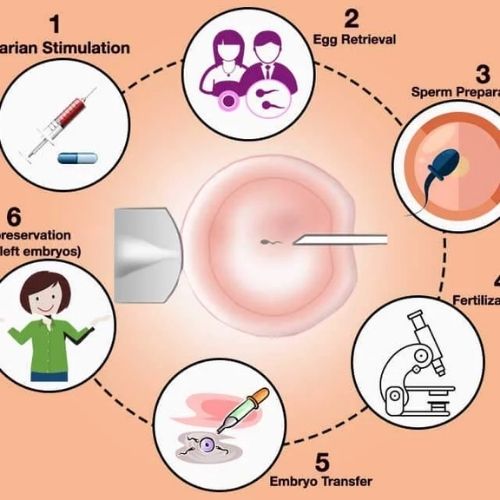
ICSI success depends on much more than the moment a sperm enters an egg. The process begins with a detailed fertility evaluation and continues through ovarian stimulation, egg retrieval, sperm selection, laboratory fertilisation, embryo development and transfer. Age, reproductive health, laboratory standards and individual treatment planning all contribute to the overall outcome.
For couples considering fertility treatment, understanding these stages can make the process feel less overwhelming. It can also help you recognise what matters when comparing fertility centres.
At Shairaksha Fertility Centre, the approach begins with understanding the fertility needs of both partners and creating a treatment plan based on their individual circumstances. Clear communication throughout the journey helps couples know why each step is being taken.
If you are considering ICSI and would like to understand your treatment options, book your consultation with Shairaksha Fertility Centre today and speak with our fertility specialists about a plan suited to your fertility needs.
FAQs
Is ICSI different from IVF?
ICSI is a fertilisation technique used within IVF. An embryologist injects one sperm directly into a mature egg instead of allowing sperm to fertilise the egg without direct injection.
Is ICSI only used for male infertility?
Doctors often use ICSI for significant male fertility concerns, but they may recommend it in other situations as well. Your fertility history and previous treatment results help guide the decision.
Does ICSI guarantee fertilisation?
No. ICSI helps sperm enter the egg, but fertilisation and embryo development still depend on several biological factors.
How long does ICSI treatment take?
The timeline varies according to the treatment plan and ovarian response. Your fertility team can provide a more specific schedule after your initial evaluation.