
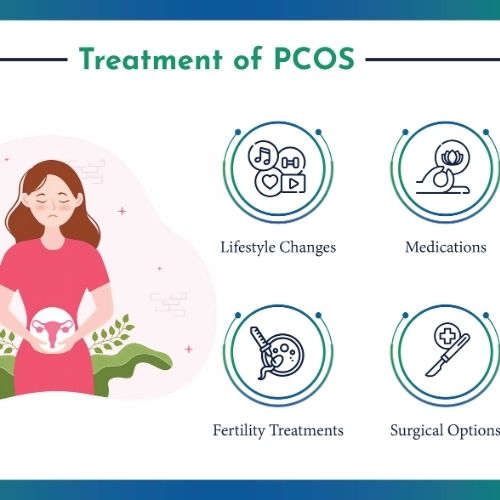
Yes. The right PCOS treatment can improve fertility by addressing problems such as irregular ovulation, hormonal imbalance, and related metabolic concerns. Treatment may include lifestyle changes, medicines that support ovulation, and fertility treatment when needed. The right approach depends on age, symptoms, medical history, and individual fertility goals.
PCOS can make the journey to pregnancy feel unpredictable. One month your period may arrive as expected. The next month it may be late or absent. For women who are trying to conceive, this uncertainty can make it difficult to know when ovulation is happening or whether it is happening at all.
Polycystic ovary syndrome, commonly called PCOS, is a hormonal condition that can affect menstrual cycles, ovulation, and fertility. Some women also experience acne, excess facial or body hair, weight changes, or other symptoms. The experience differs from one woman to another.
Having PCOS does not mean pregnancy is impossible. Many women with the condition conceive naturally or with medical support. The key is understanding how PCOS affects your body and choosing treatment based on your individual needs.
For women looking for a gynecologist in Chennai, fertility planning should begin with a proper evaluation rather than a standard treatment given to everyone with PCOS.
Understanding the Connection Between PCOS and Fertility
Ovulation plays a central role in conception. An ovary needs to release an egg so that sperm has an opportunity to fertilise it. PCOS can interfere with this process. Some women with PCOS ovulate occasionally, while others may go for longer periods without ovulating. This can result in irregular menstrual cycles and fewer opportunities for conception. However, PCOS is not the same for every woman.
One person may have irregular periods without noticeable physical symptoms. Another may experience acne, excess hair growth, or difficulty managing weight. Some women only discover that they have PCOS when they begin trying for a baby. This variation is why treatment needs to focus on the individual rather than the diagnosis alone.
A Proper Diagnosis Comes First
Irregular periods do not automatically mean PCOS. Other hormonal and medical conditions can cause similar symptoms. A doctor therefore needs to understand the complete picture before confirming the diagnosis.
The evaluation usually starts with your menstrual history and symptoms. Your doctor may ask when your periods started becoming irregular, how often they occur, whether your weight has changed, and whether you have noticed acne or unusual hair growth.
Blood tests may help assess hormone levels and rule out other possible causes. An ultrasound may also form part of the evaluation when clinically appropriate. A good gynecologist in Chennai should look beyond one symptom or scan result. A clear diagnosis gives you a stronger starting point for managing both PCOS and fertility.
Fertility Assessment Goes Beyond PCOS
When a woman with PCOS has difficulty becoming pregnant, it can be tempting to assume that PCOS explains everything. That is not always the case. Fertility depends on several factors involving both partners. Ovulation may be one part of the picture, but fallopian tube health, age, ovarian reserve, sperm health, and other reproductive factors can also influence conception.
Your doctor may recommend additional fertility tests based on your age, how long you have been trying, and your medical history. A semen analysis for the male partner may also form part of the evaluation. Looking at both partners can prevent unnecessary delays. Treating ovulation alone will not solve a fertility problem if another significant factor also needs attention.
Restoring Regular Ovulation
For many women with PCOS, improving ovulation becomes an important part of fertility treatment. Treatment does not necessarily mean moving straight to IVF or another advanced procedure. Your doctor may first focus on helping the ovaries release an egg more regularly. Depending on your health and fertility needs, this can involve lifestyle changes, medication, or both.
When medication is needed, your doctor may monitor how the ovaries respond. Ultrasound scans can help track follicle development and guide treatment. The aim is not simply to create a regular period. For a woman trying to conceive, the goal is to support healthy ovulation while considering her overall reproductive health.
Lifestyle Changes That Support PCOS Management
Lifestyle advice can sometimes sound frustratingly simple, especially when someone has already spent years trying different diets or exercise routines. PCOS management should not be reduced to being told to lose weight. Instead, the focus should remain on sustainable habits that support overall health.
Regular physical activity can support metabolic health. A balanced eating pattern that includes vegetables, fruits, whole grains, protein sources, and nutrient rich foods can also form part of long term PCOS management. Sleep deserves attention as well. A consistent sleep routine can support general wellbeing and make healthy habits easier to maintain.
For women who are above their healthy weight range, even modest weight management may improve ovulation in some cases. However, treatment should always remain respectful and realistic. Women with PCOS come in different body sizes, and not everyone with PCOS needs weight loss.
Insulin Resistance and PCOS
Insulin resistance can occur in women with PCOS. Insulin helps the body manage blood glucose. When the body becomes less responsive to insulin, it may produce more of it to compensate. Higher insulin levels can interact with reproductive hormones and may contribute to some PCOS symptoms.
Your doctor may assess metabolic health based on your medical history, symptoms, body composition, family history, and other risk factors. Treatment may involve lifestyle changes, and some women may need medication depending on their individual situation.
Addressing metabolic health is not only about fertility. PCOS can have longer term health implications, so regular medical follow up remains important even after pregnancy planning is no longer the main concern.
Age Still Matters When PCOS Is Present
Irregular ovulation can make it difficult to predict fertile days, but age remains an important part of fertility planning. PCOS does not protect against the natural decline in egg quantity and quality that happens with age. This is why women should not assume that irregular periods are the only fertility concern that needs attention.
A younger woman with PCOS may have different treatment options and timelines compared with someone approaching her late thirties. A consultation with the best gynecologist doctor in Chennai for your needs should include an honest discussion about age, reproductive history, and how long you have been trying to conceive. Early evaluation can provide more options when time is an important factor.
Monitoring Fertility Treatment Carefully
Monitoring can help doctors understand how your body responds to treatment. If your doctor prescribes medication to encourage ovulation, ultrasound scans may help track follicle growth. This can provide useful information about whether the ovaries are responding as expected. Monitoring also helps reduce some of the risks associated with fertility medication.
The treatment plan may change from one cycle to another based on your response. This is one reason personalised care matters. A dose or treatment approach that works for one woman with PCOS may not suit another. Regular follow up gives your doctor the opportunity to adjust treatment rather than continuing with the same approach without reviewing the results.
Moving Beyond Ovulation Treatment
Ovulation treatment can help many women with PCOS, but pregnancy still depends on several other reproductive factors. If pregnancy does not occur after appropriately monitored treatment, your fertility specialist may review the situation. The next step depends on your age, how long you have been trying, semen results, fallopian tube health, previous treatment response, and other findings.
Some couples may consider IUI. Others may eventually need IVF or another fertility treatment. Moving to another treatment does not mean the earlier approach failed unnecessarily. Fertility care often involves learning from each stage and adapting the plan when needed. A thoughtful gynecologist hospital in Chennai should explain why treatment needs to change rather than simply moving patients from one procedure to another.
Choosing Medical Care for PCOS and Fertility
PCOS often needs ongoing care rather than a single appointment. This makes your relationship with your doctor important. Look for a specialist who listens to your concerns and explains your diagnosis without making you feel overwhelmed. You should understand why tests are being recommended and what each treatment aims to achieve.
When searching for the best gynecologist chennai has to offer for fertility related PCOS care, consider experience with both reproductive health and fertility planning. Continuity of care can also help. Seeing a medical team that understands your history can make follow up appointments more productive. The right doctor should help you understand the choices available rather than simply hand you a prescription.
Looking Beyond Online Reviews and Claims
Online reviews can be helpful when creating a shortlist, but they should not become the only reason for choosing medical care. Every patient’s fertility experience is different. A treatment that helped one woman conceive quickly may not be suitable for someone with a different age, medical history, or fertility diagnosis.
When comparing options for the best gynecologist hospital in Chennai, pay attention to the quality of evaluation, communication, treatment monitoring, fertility support, and access to further treatment when required.
Be cautious about claims that promise to cure PCOS permanently or guarantee pregnancy. PCOS is a condition that can often be managed effectively, but responsible medical care should focus on realistic treatment goals.
Emotional Wellbeing During PCOS Treatment
PCOS can affect more than menstrual cycles. Living with unpredictable periods, physical symptoms, repeated pregnancy tests, or fertility treatment can become emotionally tiring. Some women also experience pressure from family or friends who may not understand the condition. You do not need to treat these feelings as an unimportant part of the process.
Talk openly with your partner when possible. If fertility treatment begins to affect your emotional wellbeing, consider speaking with your doctor or a counsellor. Good fertility care should recognise the person behind the medical reports. Having a supportive healthcare team can make difficult conversations easier and help you feel more involved in treatment decisions.
Long Term PCOS Care
Pregnancy may be your immediate goal, but PCOS care should not stop there. The condition can affect metabolic and reproductive health over time. Regular medical reviews can help you manage menstrual health and monitor other concerns based on your individual risk factors.
Women who are not currently trying to conceive may also need treatment for irregular periods or other symptoms. Your care can change as your priorities change. Someone looking for the best gynecologist in Chennai should therefore consider whether the doctor offers ongoing support rather than focusing only on conception. Long term care gives you the opportunity to manage PCOS through different stages of life.
Avoiding Common PCOS Myths
PCOS attracts a lot of advice online, and not all of it is reliable. There is no single diet that works for every woman with PCOS. Supplements marketed for hormone balance cannot replace proper medical evaluation. Having ovarian cysts on an ultrasound does not automatically confirm PCOS either. Most importantly, PCOS does not mean that you cannot become pregnant.
Fertility may take more planning when ovulation is irregular, but several treatment options are available. Reliable information can help you make decisions without unnecessary fear or unrealistic expectations.
Conclusion
PCOS can affect fertility, but it does not define your chances of becoming a parent. The right treatment begins by understanding how the condition affects your individual reproductive health. For some women, improving ovulation and making sustainable lifestyle changes may be enough. Others may need medication, closer monitoring, or fertility treatment.
There is no reason to follow someone else’s PCOS plan simply because it worked for them. A personalized approach considers your age, menstrual cycle, hormone health, metabolic health, fertility history, and your partner’s reproductive health before deciding what comes next. At Shairaksha Fertility Centre, PCOS and fertility care focuses on understanding these individual factors and helping women move forward with clear, practical medical guidance.
If PCOS is making your pregnancy journey uncertain, schedule your consultation with Shairaksha Fertility Centre today and get a fertility plan tailored to your needs.
FAQs
Can women with PCOS get pregnant naturally?
Yes. Some women with PCOS conceive naturally, especially when ovulation occurs. Others may need treatment to support regular ovulation or address additional fertility concerns.
Does PCOS always cause infertility?
No. PCOS can make conception more difficult when it affects ovulation, but it does not cause infertility in every woman.
Can PCOS be permanently cured?
PCOS usually requires long term management rather than a one time cure. Treatment can help manage symptoms and support fertility based on individual needs.
When should I seek fertility advice for PCOS?
Consider seeking advice earlier if your periods are very irregular or absent, or if you have other known fertility concerns. A specialist can advise you based on your age and reproductive history.