
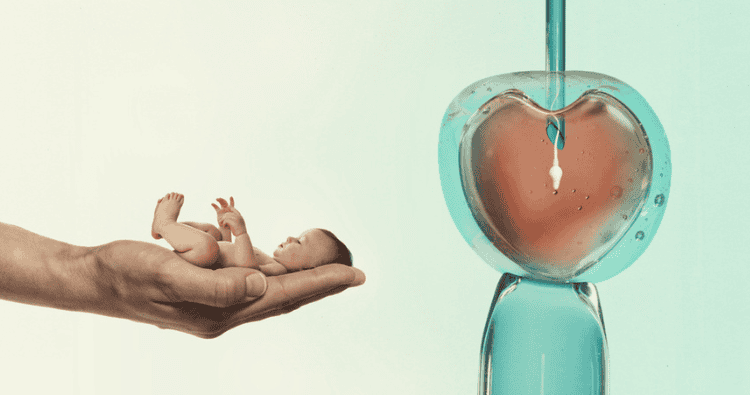
Before deciding whether to try IVF or ICSI treatment, it’s important to do your research and take your time. IVF and ICSI are two of the most commonly used fertility treatments. Both fall under assisted reproductive technology (ART), but they differ in how fertilization is achieved, making them suitable for different situations.
What is In Vitro Fertilization (IVF)?
In vitro fertilization (IVF) is a process where eggs and sperm are combined in a laboratory dish, allowing fertilization to occur naturally outside the body. This simulates natural conception by placing multiple sperm near each egg.
Fertilization typically occurs overnight. Afterward, embryos are cultured for three to five days. Doctors then select the healthiest embryos to transfer into the uterus.
What is Intracytoplasmic Sperm Injection (ICSI)?
Intracytoplasmic Sperm Injection (ICSI) is a specialized form of IVF. A single sperm is injected directly into an egg to achieve fertilization. It’s often used in cases of severe male infertility, such as extremely low sperm count or poor motility.
The egg retrieval process is similar to IVF. However, instead of allowing the sperm to fertilize the egg on its own, a lab technician performs the injection to improve the chances of fertilization.
IVF vs. ICSI: Key Differences
The main difference between IVF and ICSI lies in how fertilization occurs:
- IVF allows multiple sperm to surround the egg in a dish, where the healthiest sperm fertilizes it naturally.
- ICSI involves selecting one sperm and injecting it directly into the egg, bypassing natural selection.
ICSI is used when sperm quality is low or previous IVF attempts have failed due to poor fertilization.
Choosing between the two depends on the cause of infertility. IVF is often used when sperm are normal, while ICSI is better when sperm struggle to fertilize eggs on their own.
When to Use IVF
Doctors typically recommend IVF when:
- There are problems with the fallopian tubes
- The woman has ovulation issues
- There’s mild male infertility
- The couple has unexplained infertility
- Other fertility treatments have failed
IVF allows for natural sperm selection and is preferred when sperm quality is not severely compromised.
When to Use ICSI
ICSI is often recommended when:
- The male partner has a very low sperm count
- The sperm have poor movement or abnormal shape
- IVF cycles failed previously due to fertilization issues
- Using frozen eggs or dealing with genetic concerns
ICSI increases the chances of fertilization when natural sperm movement and function are poor.
ICSI vs. IVF: Success Rates
Success rates for IVF and ICSI depend on several factors, including:
- Age of the woman
- Cause of infertility
- Number and quality of retrieved eggs
In cases of male infertility, ICSI may offer a higher success rate for fertilization. However, overall pregnancy success rates are similar between IVF and ICSI when used appropriately.
Benefits of IVF and ICSI
Both IVF and ICSI offer unique advantages:
IVF Benefits:
- Promotes natural sperm selection
- Enables fertilization of multiple eggs
- Allows for genetic testing before embryo transfer
- Less invasive on sperm selection
ICSI Benefits:
- Bypasses issues with sperm count or quality
- Higher fertilization rates in severe male infertility
- Useful when prior IVF cycles fail
- Can be combined with donor sperm or eggs, freezing, and genetic testing
Both options give couples more opportunities to conceive, especially when previous treatments have not worked.
Factors to Consider When Choosing IVF or ICSI
Important factors to consider include:
- Underlying cause of infertility
- History of previous fertility treatments
- Age and reproductive history
- The couple’s preferences and comfort level
IVF is generally preferred when sperm are healthy. ICSI is ideal when male infertility is a key issue.
The Role of Sperm Quality in Choosing IVF or ICSI
Sperm quality plays a big role in choosing the right treatment:
- In IVF, many sperm are placed near the egg, and one fertilizes it naturally.
- In ICSI, one sperm is manually selected and injected into the egg.
ICSI is preferred when sperm can’t move properly, are too few, or have failed to fertilize eggs in the past.
Understanding Assisted Reproductive Technology (ART)
ART refers to medical procedures that assist with conception. ART methods involve handling eggs, sperm, or embryos to increase the chances of pregnancy.
Common ART methods include:
- IVF (natural fertilization in a lab dish)
- ICSI (direct injection of sperm into the egg)
- Egg or sperm donation
- Embryo freezing
- Surrogacy
These techniques help individuals and couples facing infertility find tailored solutions.
Conclusion
Understanding the difference between IVF and ICSI is essential when exploring fertility options. IVF mimics natural fertilization, while ICSI directly addresses fertilization challenges, especially in cases of male infertility.
Consult a fertility expert to determine the best treatment for your situation. They can assess your medical history, infertility cause, and treatment goals to create a personalized plan.
Both IVF and ICSI have helped many couples conceive. With expert guidance, the right approach can lead you closer to parenthood.